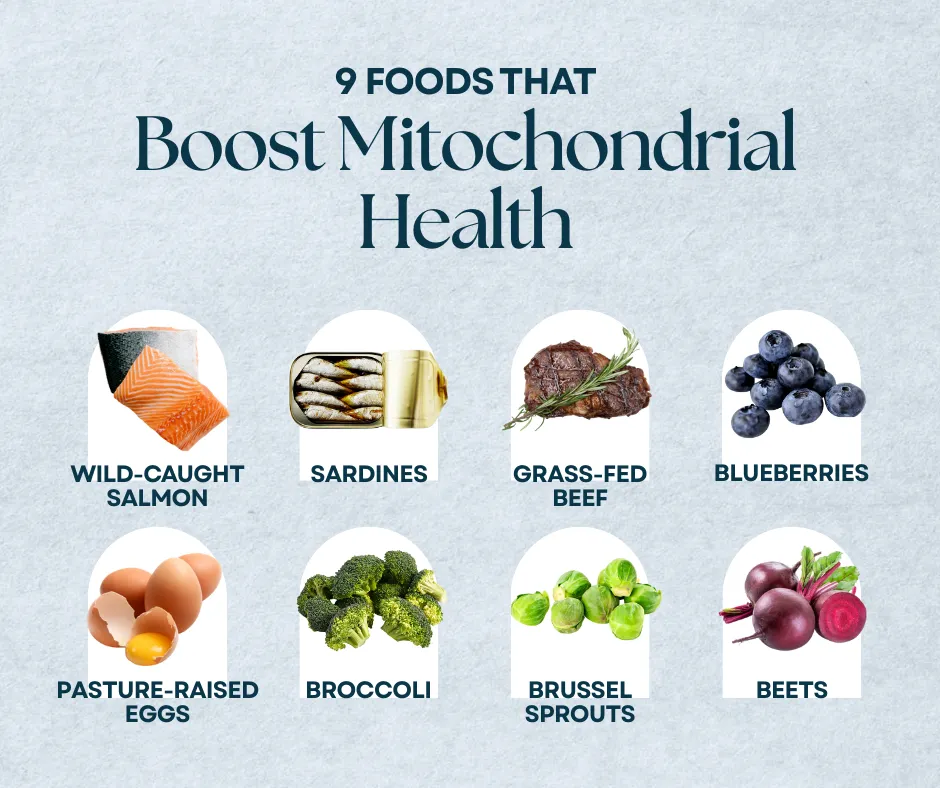
9 Foods to Boost Mitochondrial Health
9 Foods That Boost Mitochondrial Health
Our bodies are like complex machines, full of tiny parts working together to make everything function smoothly. One of the most important components of this machine is the mitochondria. Often called the "powerhouses of the cell," mitochondria are responsible for producing energy. To keep these powerhouses running efficiently, it is crucial to fuel them with the right nutrients. Let's look at nine foods that can boost mitochondrial health and help you feel more energetic.
1. Wild-Caught Salmon
Wild-caught salmon is rich in omega-3 fatty acids, which are essential for mitochondrial health. Omega-3s help reduce inflammation and improve the function of these cell powerhouses. When mitochondria operate well, your body has more energy and better performance.
- Rich in omega-3 fatty acids
- Supports heart and brain health
2. Sardines
Sardines might be small, but they pack a big punch when it comes to nutrition. High in omega-3s and coenzyme Q10 (CoQ10), they support energy production in cells. CoQ10 is particularly important because it aids in the process that mitochondria use to convert food into energy.
- High in omega-3s and CoQ10
- Boosts cellular energy
3. Grass-Fed Beef
Grass-fed beef is a great source of high-quality protein, iron, and vitamin B12. These nutrients are essential for mitochondrial function, helping your body produce the energy it needs. Choosing grass-fed varieties ensures that you're consuming beef with higher nutrient levels.
- High in iron and vitamin B12
- Supports muscle and tissue health
4. Blueberries
Blueberries are antioxidant powerhouses. Antioxidants help protect your cells, including mitochondria, from damage. The anthocyanins in blueberries not only give them their vibrant color but also improve brain function and help reduce inflammation.
- Rich in antioxidants
- Promotes brain health
5. Pasture-Raised Eggs
Eggs from pasture-raised chickens are nutrient-dense and contain vital nutrients like choline and biotin. Choline is crucial for brain health and mitochondrial protection, assisting with efficient energy production.
- Contains choline and biotin
- Aids brain and mitochondrial health
6. Broccoli
Broccoli is a cruciferous vegetable that supports detoxification and cellular health. It contains sulforaphane, which has been shown to help boost mitochondrial functions and protect against harmful chemicals.
- Promotes detoxification
- Supports cell function
7. Brussels Sprouts
These small green veggies are loaded with vitamins and minerals such as vitamin C and vitamin K. Brussels sprouts help protect the mitochondria from oxidative stress, ensuring they remain effective in energy production.
- High in vitamin C and K
- Protects against oxidative stress
8. Beets
Beets are known to improve blood flow, which is vital for transporting oxygen and nutrients to cells, including mitochondria. They contain nitrates that help enhance exercise performance by improving mitochondrial efficiency.
- Improve blood flow
- Enhance exercise performance
Conclusion
Maintaining your mitochondrial health is essential for overall well-being and energy levels. Incorporating these nine foods into your diet can help ensure that your mitochondria function optimally. Whether it's adding salmon to dinner or enjoying a handful of blueberries as a snack, these nutrient-rich foods support both cellular health and your daily vitality.